
In a competitive world, having a degree is no longer enough. Employers are looking for individuals who bring more than academic knowledge. They want adaptability, communication, leadership, and real-world experience. This is where volunteering abroad becomes a powerful advantage. Volunteering abroad is not just about helping communities. It is a transformative experience that shapes how you think, work, and interact with others. It pushes you into unfamiliar environments where learning happens naturally and quickly. Students and young professionals who take this path often return with skills that cannot be taught in classrooms. These skills are practical, transferable, and highly valued in modern workplaces. Understanding how volunteering abroad enhances professional abilities can help you make a decision that impacts your future in meaningful ways.
The Link Between Global Exposure and Career Growth
Exposure to different cultures changes how you see the world. It broadens your perspective and improves your ability to work with diverse teams. When you volunteer abroad, you learn to navigate unfamiliar systems and environments. This builds confidence and independence. You begin to think critically and adapt to new situations. Organizations such as United Nations Volunteers emphasize global collaboration and skill development. These programs highlight how international experiences contribute to long-term career success. Employers recognize the value of global exposure. It shows that you are open-minded, resilient, and capable of handling challenges.
Developing Communication Skills in Real-World Settings
Learning to Communicate Across Cultures
Communication is one of the most important professional skills. Volunteering abroad places you in situations where language and cultural differences require creative communication. You learn to listen carefully, observe body language, and express ideas clearly. This improves your ability to connect with people from different backgrounds.
Building Confidence in Public Interaction
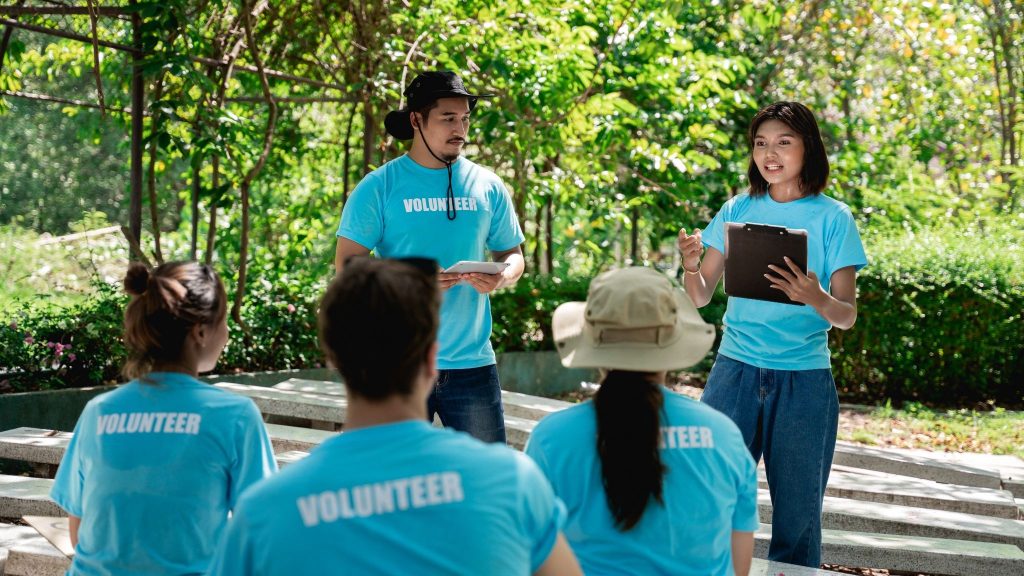
Working in community projects often involves interacting with groups, leading discussions, or explaining tasks.
Increased confidence in speaking with diverse audiences
Improved ability to present ideas clearly
Better listening and empathy skills
These experiences build strong communication abilities that are valuable in any career.
Leadership Skills That Grow Naturally Through Experience
Leadership is not always about managing a team. It is about taking initiative, solving problems, and guiding others when needed. Volunteering abroad creates opportunities to step into leadership roles. Whether it is organizing activities or supporting team members, you learn to lead by example. These experiences teach responsibility and decision-making. They also help you understand the importance of collaboration and trust. Over time, these qualities shape you into a confident and capable leader.
Problem-Solving in Unpredictable Environments
Adapting to Limited Resources
Many volunteer projects operate with limited resources. This requires creativity and innovation. You learn to find solutions using what is available. This ability to think on your feet is highly valued in professional settings.
Handling Real Challenges with Practical Thinking
Challenges in volunteering are real and immediate. Whether it is managing time, coordinating tasks, or dealing with unexpected issues, you gain hands-on experience in problem-solving.
Quick decision-making under pressure
Creative approaches to complex problems
Ability to stay calm in difficult situations
These skills prepare you for dynamic work environments.
Building Teamwork and Collaboration Skills
Working with people from different cultures teaches you how to collaborate effectively. You learn to respect different perspectives and find common ground. Teamwork becomes essential in achieving project goals. You understand the importance of communication, coordination, and mutual support. Programs offered by organizations like AIESEC focus on teamwork and leadership development. These experiences mirror real workplace environments where collaboration is key. Strong teamwork skills make you a valuable asset in any organization.
Enhancing Time Management and Responsibility
Volunteering abroad often involves managing multiple responsibilities. You may need to balance project work, personal tasks, and cultural activities. This teaches discipline and organization. You learn to prioritize tasks and meet deadlines. Time management becomes second nature as you adapt to structured routines. These habits carry over into professional life, improving productivity and efficiency.
Gaining Industry-Relevant Experience
Aligning Volunteer Work with Career Goals
Many volunteer programs are designed to match specific career interests. Students can choose projects related to education, healthcare, environmental science, or social work. This allows them to gain practical experience in their chosen field. It also helps build a strong foundation for future careers.
Building a Strong Resume and Portfolio
Employers value real-world experience. Volunteering abroad adds depth to your resume and makes you stand out.
Demonstrates initiative and commitment
Shows ability to work in diverse environments
Highlights practical skills and achievements
These experiences create a compelling professional profile.
Emotional Intelligence and Personal Growth
Professional success is not just about technical skills. Emotional intelligence plays a crucial role. Volunteering abroad helps you develop empathy, patience, and understanding. You interact with people from different backgrounds and learn to appreciate their perspectives. This emotional awareness improves relationships and communication in professional settings. It also helps you handle conflicts more effectively. Personal growth gained through these experiences has a lasting impact on your career.
Networking and Global Connections
Volunteering abroad connects you with people from around the world. These connections can lead to future opportunities and collaborations. You build relationships with fellow volunteers, local communities, and program coordinators. These networks can be valuable for career growth. In a globalized world, having international connections is a significant advantage. It opens doors to new opportunities and experiences.
Expert Advice: Turning Experience into Career Success
Experts recommend approaching volunteering abroad with clear goals. Understanding what you want to learn helps you choose the right program. It is also important to document your experiences. Keeping records of your work, achievements, and challenges helps you present them effectively in interviews. Another key piece of advice is to reflect on your learning. Identifying how your experiences relate to professional skills makes them more valuable. Experts also emphasize authenticity. Employers can recognize genuine experiences and personal growth. Being honest about your journey creates a stronger impression. Finally, they suggest staying connected with the communities and organizations you worked with. Long-term relationships can lead to future opportunities.
The Lasting Impact on Career and Life Direction
Volunteering abroad often changes how individuals view their careers. It can inspire new interests and open unexpected paths. Some people discover a passion for social work, while others develop an interest in global business or environmental sustainability. These experiences provide clarity and direction. They help individuals make informed career choices based on real-world exposure. The impact goes beyond professional growth. It shapes personal values and priorities, creating a more meaningful approach to work and life.
Conclusion
Volunteering abroad is more than an experience. It is an investment in your future. It builds skills, confidence, and perspective in ways that traditional education cannot. From communication and leadership to problem-solving and emotional intelligence, the benefits are extensive. These skills are not only valuable but essential in today’s professional world. For students and young professionals, volunteering abroad offers a unique opportunity to grow, learn, and stand out. It is a journey that transforms both career potential and personal identity. Choosing this path means choosing growth, purpose, and a future filled with possibilities.
FAQs
How does volunteering abroad improve career opportunities?
Volunteering abroad provides real-world experience, builds essential skills, and demonstrates adaptability. Employers value candidates who can work in diverse environments and handle challenges effectively, making it a strong addition to any resume.
Can volunteering abroad help in career switching?
Yes, it can provide exposure to new fields and help individuals explore different career paths. Hands-on experience gained during volunteering can support a transition into a new industry or role.
What skills are most developed through volunteering abroad?
Key skills include communication, teamwork, leadership, problem-solving, and cultural awareness. These abilities are highly transferable and beneficial across various professional fields.