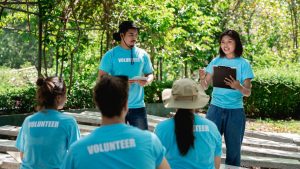


For many students, the idea of traveling abroad is exciting. But when travel meets purpose, it becomes something far more meaningful. Volunteering abroad is not just about visiting a new country. It is about contributing to communities, learning new perspectives, and growing in ways that classrooms cannot offer. In 2026, volunteering abroad has become more accessible and diverse than ever before. Students now have opportunities across education, healthcare, environmental conservation, and social development. These experiences not only benefit communities but also shape personal and professional futures. Choosing to volunteer abroad is a powerful decision. It reflects curiosity, compassion, and a willingness to step outside comfort zones. For students seeking purpose and direction, it can be a life-changing path.
Understanding What Volunteering Abroad Really Means
Volunteering abroad involves traveling to another country to contribute time and skills toward meaningful causes. These programs are often organized by nonprofits, educational institutions, or global organizations. Unlike tourism, volunteering focuses on impact. Students engage directly with local communities, working on projects that address real challenges. This can include teaching, environmental protection, or supporting healthcare initiatives. Organizations such as AIESEC and Projects Abroad have made it easier for students to find structured and safe opportunities. These programs provide guidance, training, and support throughout the journey. Volunteering abroad is not just about helping others. It is also about learning, adapting, and understanding the world from a broader perspective.
Why Students Are Choosing Volunteering Over Traditional Travel
A Deeper Cultural Connection
Students today are looking for more than sightseeing. They want authentic experiences. Volunteering allows them to live within communities, understand traditions, and build meaningful relationships. This immersion creates a deeper connection to the culture. It transforms travel into a shared human experience rather than a temporary visit.
Building Skills That Matter in Real Life
Volunteering abroad helps students develop practical skills. Communication, teamwork, and problem-solving become part of daily life. These skills are highly valued in academic and professional settings. Employers often look for candidates who can adapt to diverse environments and handle real-world challenges. The combination of cultural exposure and skill development makes volunteering abroad a powerful alternative to traditional travel.
Types of Volunteer Opportunities Available for Students
Education and Teaching Programs
Teaching is one of the most popular forms of volunteering abroad. Students assist in classrooms, teach basic subjects, or help improve language skills. Countries like Thailand and Peru offer programs where volunteers work with children in schools or community centers. These experiences are rewarding because they create a direct and lasting impact on young learners.
Environmental and Wildlife Conservation
Environmental projects are ideal for students passionate about nature. These programs focus on protecting ecosystems, wildlife, and natural resources. In regions such as Costa Rica and South Africa, volunteers work on conservation efforts, including reforestation and wildlife monitoring. These opportunities allow students to contribute to global sustainability efforts while gaining hands-on experience.
Healthcare and Community Support Initiatives
Healthcare volunteering is suitable for students interested in medical or social work fields. Volunteers assist in clinics, support health awareness campaigns, and help improve community well-being. While students may not perform medical procedures, they play a valuable role in supporting professionals and engaging with local communities.
Construction and Development Projects
Some programs focus on building infrastructure such as schools, homes, and community centers. These projects require teamwork and physical effort. They offer a tangible sense of accomplishment. Students can see the direct results of their work and understand the importance of community development.
Choosing the Right Destination for Your Goals
Factors That Influence Destination Selection
Choosing where to volunteer is a critical decision. Students should consider their interests, budget, and comfort level. Language barriers, climate, and cultural differences also play a role. Some destinations may offer more structured programs, while others require greater independence.
Popular Regions for Student Volunteers
Asia, Africa, and Latin America remain popular regions for volunteering abroad. Each offers unique experiences and challenges. Programs in Cape Town provide a mix of urban and community-based projects, while rural areas in Nepal offer opportunities to work closely with local communities. The right destination aligns with personal goals and the type of impact a student ցանկանում to create.
Costs, Funding, and Financial Planning
Volunteering abroad often involves costs, including program fees, travel, and accommodation. While this may seem like a barrier, there are ways to manage expenses. Scholarships, grants, and fundraising efforts can help reduce financial pressure. Some organizations also offer affordable or subsidized programs. Planning ahead is essential. Students should research costs and explore funding options early in the process. Financial preparation ensures a smoother and more enjoyable experience.
Preparing for the Experience Before You Leave
Preparation is key to a successful volunteering journey. Students should research their destination, understand cultural norms, and learn basic language skills if needed. Health precautions are also important. Vaccinations and travel insurance provide protection during the trip. Mental preparation matters as well. Adjusting to a new environment can be challenging. Being open-minded and adaptable helps ease the transition. The more prepared you are, the more meaningful your experience will be.
Challenges Students May Face While Volunteering Abroad
Cultural Adjustment and Homesickness
Living in a different country can be overwhelming. Cultural differences, unfamiliar food, and new routines may take time to adjust to. Homesickness is also common, especially during the initial days. Staying connected with family and building relationships locally can help overcome these feelings.
Managing Expectations and Realities
Sometimes, the reality of volunteering may differ from expectations. Projects may move slowly, and challenges may arise unexpectedly. Patience and flexibility are essential. Understanding that impact takes time helps maintain motivation and positivity. These challenges are part of the growth process and contribute to personal development.
The Emotional Impact of Volunteering Abroad
Volunteering abroad leaves a lasting emotional impression. It changes how students see the world and their place in it. The connections formed with people from different backgrounds create a sense of global community. These relationships often remain meaningful long after the trip ends. Students return with a deeper appreciation for diversity and a stronger sense of purpose. This emotional growth is one of the most valuable outcomes of volunteering abroad. It is not just about what you give, but also about what you gain in understanding and empathy.
FAQs
Is volunteering abroad safe for students?
Yes, most programs are designed with student safety in mind. Reputable organizations provide guidance, accommodation, and support throughout the experience. It is important to research programs carefully and follow safety guidelines during your stay.
Do I need experience to volunteer abroad?
Many programs do not require prior experience. They offer training and support to help students contribute effectively. However, having relevant skills can enhance your impact and open up more opportunities.
How long can students volunteer abroad?
Volunteer programs can range from a few weeks to several months. The duration depends on the program and the student’s availability. Short-term and long-term options are both available to suit different needs.