

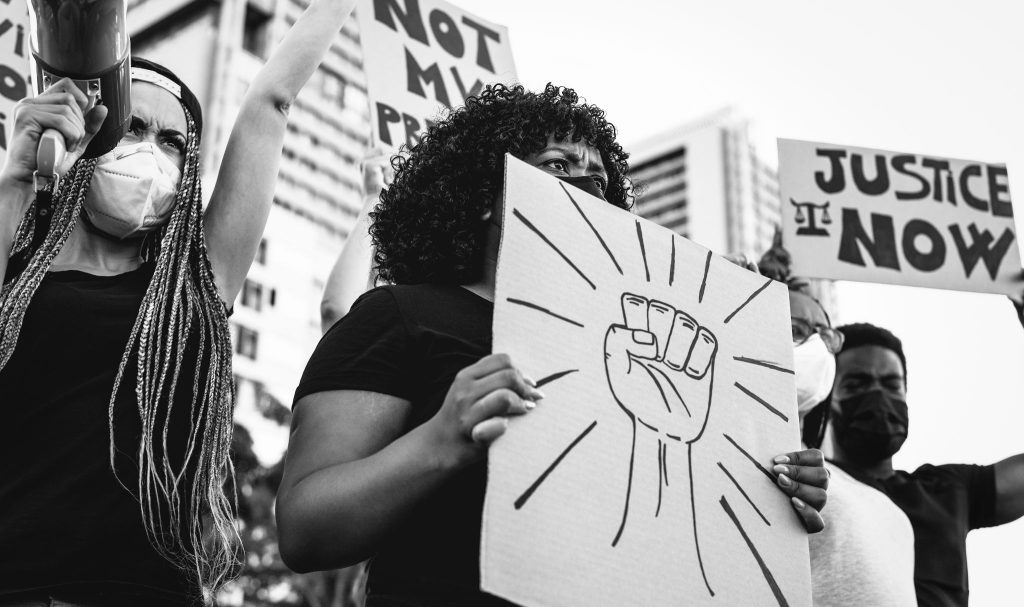
In a world filled with progress and innovation, there are still millions of people whose basic rights are denied every day. From freedom of speech to access to education, many fundamental rights are constantly under threat. This is where human rights advocacy becomes essential. It acts as a powerful force that speaks for those who cannot speak for themselves. Human rights advocacy is not limited to activists or organizations. It is a collective effort that involves individuals, communities, and institutions working together to protect dignity and justice. It is about standing up against injustice and ensuring that every human being is treated with fairness and respect. Understanding what human rights advocacy truly means and why it matters can change how we see the world and our role within it.
Defining Human Rights Advocacy in a Modern Context
Human rights advocacy refers to the actions taken to promote, protect, and defend the rights of individuals and groups. These rights are often defined by international frameworks such as those established by the United Nations, which outlines basic freedoms every person should enjoy. Advocacy involves raising awareness, influencing policies, and challenging systems that violate human rights. It can take many forms, including legal action, public campaigns, education, and grassroots movements. In today’s interconnected world, advocacy has evolved. Digital platforms, global networks, and international cooperation have expanded its reach. What was once local can now gain global attention within minutes. This transformation has made human rights advocacy more dynamic and impactful than ever before.
The Historical Evolution of Human Rights Advocacy
Human rights advocacy did not emerge overnight. It has deep historical roots shaped by struggles, movements, and sacrifices. From early civil rights movements to global campaigns for equality, advocacy has always been a response to injustice. The adoption of the Universal Declaration of Human Rights marked a turning point. It established a global standard for human dignity and inspired advocacy efforts worldwide. Since then, countless movements have emerged to challenge discrimination, inequality, and oppression. These historical milestones remind us that progress is possible, but it requires persistence and courage. Advocacy continues to build on these foundations, addressing both old and new challenges.
Core Functions of Human Rights Advocacy
Raising Awareness and Educating Communities
One of the primary roles of human rights advocacy is to inform people about their rights. Awareness is the first step toward empowerment. When individuals understand their rights, they are better equipped to defend them. Advocates use campaigns, workshops, and media to spread knowledge. Education creates informed communities that can challenge injustice and demand accountability.
Influencing Policies and Legal Frameworks
Advocacy plays a crucial role in shaping laws and policies. Governments and institutions often respond to public pressure and organized efforts.
Advocates lobby for policy reforms
Legal experts challenge unjust laws
Campaigns push for stronger protections
These actions help create systems that uphold human rights and ensure justice.
Why Human Rights Advocacy Is More Important Than Ever
The modern world faces complex challenges that directly impact human rights. Conflicts, climate change, and economic inequality continue to create vulnerabilities. Human rights advocacy addresses these challenges by promoting fairness and accountability. It ensures that no group is left behind. It also acts as a safeguard against abuse of power. In many cases, advocacy has led to significant changes. It has helped end discriminatory practices, improved labor conditions, and expanded access to education and healthcare. These achievements highlight its importance in shaping a more just world.
The Role of Organizations in Advancing Human Rights
Organizations play a vital role in strengthening advocacy efforts. Groups like Amnesty International and Human Rights Watch work tirelessly to investigate abuses and hold authorities accountable. These organizations provide research, legal support, and global visibility to human rights issues. They act as watchdogs, ensuring that violations do not go unnoticed. Their work also inspires individuals to take action. By amplifying voices and sharing stories, they create a sense of urgency and responsibility.
Challenges Faced by Human Rights Advocates
Political and Social Resistance
Advocates often face opposition from powerful institutions. Governments or groups may resist change, especially when it threatens their interests.
Restrictions on freedom of expression
Harassment and intimidation
Legal barriers to activism
These challenges make advocacy difficult but also highlight its necessity.
Limited Resources and Global Inequality
Many advocacy efforts struggle due to lack of funding and resources. In some regions, activists work under extremely difficult conditions. Despite these obstacles, advocates continue their work with determination. Their resilience is a testament to the importance of their mission.
Human Rights Advocacy in the Digital Age
Technology has transformed how advocacy operates. Social media platforms allow activists to reach global audiences instantly. Campaigns can gain momentum quickly and create widespread awareness. However, the digital space also presents challenges. Misinformation, surveillance, and online harassment can undermine efforts. Despite these risks, digital tools remain powerful. They enable collaboration, storytelling, and mobilization on an unprecedented scale. Advocacy in the digital age is faster, more connected, and increasingly influential.
The Emotional Impact of Advocacy Work
Human rights advocacy is not just a professional effort. It is deeply emotional. Advocates often witness suffering and injustice firsthand. This can be overwhelming, but it also fuels their commitment. The stories of individuals whose lives have been changed through advocacy are powerful. They remind us that behind every issue are real people with hopes, dreams, and struggles. This emotional connection strengthens the purpose of advocacy. It transforms it from a duty into a mission driven by empathy and compassion.
Expert Advice: How to Strengthen Human Rights Advocacy Efforts
Experts emphasize that effective advocacy requires a strategic approach. It is not enough to raise awareness. There must be clear goals and measurable outcomes. Building strong networks is essential. Collaboration between organizations, communities, and governments increases impact. Shared knowledge and resources create more effective solutions. Experts also highlight the importance of credibility. Advocacy must be based on accurate information and ethical practices. Trust plays a crucial role in influencing change. Adaptability is another key factor. Human rights challenges evolve over time. Successful advocates adjust their strategies to remain relevant and effective. Finally, experts stress the importance of persistence. Change often takes time. Consistent effort and dedication are necessary to achieve lasting results.
The Broader Impact on Society and Future Generations
Human rights advocacy does more than address immediate issues. It shapes the future. By promoting equality and justice, it creates stronger and more inclusive societies. Children growing up in environments where rights are respected have better opportunities. They are more likely to thrive and contribute positively to society. Advocacy also fosters accountability. It ensures that institutions act responsibly and transparently. This creates trust and stability within communities. The long-term impact of advocacy extends far beyond individual cases. It influences cultural norms, policies, and global standards.
Conclusion
Human rights advocacy is a cornerstone of a just society. It protects the vulnerable, challenges injustice, and promotes equality. In a world where rights are often under threat, its importance cannot be overstated. Every individual has a role to play. Whether through awareness, support, or direct action, small efforts contribute to larger change. Advocacy is not limited to experts or organizations. It is a shared responsibility that connects humanity. The journey toward justice is ongoing. With continued commitment and collective effort, human rights advocacy can create a world where dignity and equality are not just ideals but realities.
FAQs
What does human rights advocacy involve?
Human rights advocacy involves promoting and protecting the rights of individuals through awareness, legal action, and policy influence. It includes efforts to challenge injustice, support vulnerable communities, and ensure accountability at local and global levels.
Why is human rights advocacy important today?
It is crucial because many people still face discrimination, inequality, and abuse. Advocacy helps address these issues, promotes fairness, and ensures that governments and institutions uphold fundamental rights.
How can individuals contribute to human rights advocacy?
Individuals can contribute by staying informed, supporting organizations, raising awareness, and speaking out against injustice. Even small actions, such as educating others or participating in campaigns, can create meaningful impact over time.