

Community support programs play a foundational role in building stronger, healthier, and more resilient societies. In every part of the world, communities face challenges, ranging from poverty and unemployment to mental health struggles and lack of access to education. These programs are designed to respond to those challenges by offering structured support, resources, and opportunities that improve people’s lives.
In 2026, the importance of community support systems has grown significantly. Rapid technological advancement, economic shifts, urbanization, and global crises have made social inequalities more visible and, in many cases, more severe. As a result, governments, non-profits, and private organizations are increasingly investing in programs that not only provide immediate relief but also create sustainable, long-term change.
However, not all community programs are equally effective. Some initiatives successfully transform lives and uplift entire communities, while others fail to achieve meaningful results due to poor design, lack of engagement, or insufficient resources. The key question, therefore, is not just what programs exist, but which types truly work, and why.
This guide explores the most effective types of community support programs, how they operate, and what makes them impactful in today’s world.
Understanding the Purpose of Community Support Programs
At their core, community support programs are designed to address specific needs within a population. These needs can be basic, such as food, shelter, and healthcare, or more complex, including education, employment, and emotional well-being.
The primary goals of these programs include:
Improving overall quality of life
Providing access to essential services
Promoting equality and inclusion
Strengthening social bonds within communities
While many programs focus on immediate assistance, the most effective ones go a step further. They aim to empower individuals rather than create dependency. Instead of simply offering aid, they provide tools, knowledge, and opportunities that enable people to become self-sufficient.
For example, a food distribution program may meet urgent needs, but a program that combines food assistance with job training and financial education creates lasting impact. This shift from short-term relief to long-term empowerment is what distinguishes truly effective community support initiatives.
Education-Based Support Programs
Education is widely considered one of the most powerful tools for social transformation. Community programs focused on education consistently rank among the most effective because they address the root causes of inequality.
These programs often include:
Tutoring and after-school support
Scholarship opportunities and financial aid
Adult literacy programs
Digital skills and vocational training
Education-based programs are effective because they create lasting change. When individuals gain knowledge and skills, they open doors to better employment opportunities, improved decision-making, and increased confidence.
Additionally, education has a ripple effect. A single educated individual can influence an entire family or community. Parents with education are more likely to prioritize schooling for their children, creating a cycle of growth that extends across generations.
In modern contexts, digital literacy has become especially important. Programs that teach coding, online communication, and digital tools are helping bridge the gap between traditional education and the demands of today’s workforce.
Healthcare and Wellness Programs
Health is a fundamental component of well-being, making healthcare support programs essential to any community. Without access to proper healthcare, individuals cannot fully participate in education, employment, or social activities.
These programs may include:
Free or low-cost medical clinics
Mobile health units in underserved areas
Preventive care campaigns (vaccinations, screenings)
Mental health counseling and therapy
Healthcare programs are particularly effective because they provide immediate and measurable benefits. Treating illnesses, preventing diseases, and promoting healthy lifestyles directly improve quality of life.
In recent years, mental health has become a major focus. Stress, anxiety, and depression are increasingly recognized as critical issues affecting individuals across all age groups. Community-based mental health programs, such as counseling services and support groups, help reduce stigma and provide accessible care.
Preventive healthcare is another key factor. Programs that educate communities about nutrition, hygiene, and early detection of diseases reduce long-term healthcare costs and improve overall population health.
Food Security and Basic Needs Programs
Meeting basic needs is the foundation of any effective support system. Without access to food, shelter, and clothing, individuals cannot focus on personal growth or long-term goals.
These programs typically include:
Food banks and meal distribution centers
Emergency housing and shelter services
Clothing drives and essential supply distribution
Their effectiveness lies in their ability to provide immediate relief. During crises—such as natural disasters or economic downturns—these programs are often the first line of support.
However, the most impactful programs go beyond emergency aid. They integrate long-term solutions such as:
Nutrition education
Job placement assistance
Financial planning resources
By addressing both immediate and underlying needs, these programs help individuals move from survival to stability.
Employment and Skill Development Programs
Economic stability is one of the strongest predictors of long-term well-being. Employment-focused programs are highly effective because they directly address financial challenges.
These initiatives include:
Vocational and technical training
Career counseling and job readiness workshops
Entrepreneurship and small business support
Job placement and networking opportunities
What makes these programs particularly powerful is their focus on independence. Instead of providing temporary financial assistance, they equip individuals with the skills needed to earn a sustainable income.
For example, vocational training in fields like construction, healthcare, or technology can quickly lead to employment. Similarly, entrepreneurship programs empower individuals to start their own businesses, contributing to local economic growth.
In 2026, many programs are also incorporating digital skills training, recognizing the growing demand for remote work and online business opportunities.
Youth Development and Mentorship Programs
Investing in young people is one of the most effective ways to build stronger communities. Youth development programs focus on guiding individuals during critical stages of growth.
These programs often include:
Mentorship and role modeling
Leadership development workshops
Sports, arts, and recreational activities
Academic and career guidance
These initiatives are effective because they shape attitudes, behaviors, and aspirations early in life. Positive mentorship can significantly influence a young person’s confidence, decision-making, and future goals.
Additionally, youth programs help prevent negative outcomes such as crime, substance abuse, and school dropout rates. By providing safe environments and constructive activities, they encourage personal development and social responsibility.
Mental Health and Emotional Support Programs
Mental health is no longer a secondary concern, it is central to overall well-being. Emotional support programs are increasingly recognized as essential components of community support.
These programs include:
Individual and group counseling
Peer support groups
Stress management and resilience training
Crisis intervention services
Their effectiveness lies in addressing issues that are often invisible but deeply impactful. Mental health challenges can affect relationships, productivity, and physical health.
Community-based mental health programs are particularly valuable because they make support accessible and reduce stigma. When people feel safe discussing their struggles, they are more likely to seek help and recover.
Community Engagement and Social Connection Programs
Human connection is a fundamental need. Programs that foster social interaction and community involvement play a vital role in building strong, cohesive societies.
These initiatives include:
Community events and cultural activities
Volunteer opportunities
Local support networks and groups
They are effective because they create a sense of belonging. Social isolation can lead to mental health issues and reduced quality of life, while strong social connections promote happiness and resilience.
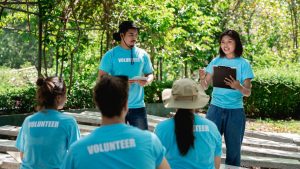
Volunteer programs, in particular, benefit both individuals and communities. They encourage empathy, cooperation, and shared responsibility.
Financial Assistance and Resource Support Programs
Financial support programs provide essential relief for individuals facing economic hardship. However, their effectiveness depends on how they are structured.
Examples include:
Emergency financial aid
Grants and subsidies
Financial literacy and budgeting workshops
While direct financial assistance is important, the most effective programs combine aid with education. Teaching individuals how to manage money, save, and invest ensures long-term stability.
Factors That Make Community Programs Effective
Not all programs succeed, even if they are well-intentioned. Several key factors determine effectiveness:
1. Clear Objectives and Planning
Programs must have well-defined goals and measurable outcomes.
2. Community Involvement
Engaging the community ensures that programs address real needs and gain trust.
3. Sustainable Funding
Long-term success requires consistent financial support.
4. Adaptability
Effective programs evolve with changing social and economic conditions.
5. Collaboration
Partnerships between governments, NGOs, and private sectors enhance impact.
Challenges Faced by Community Support Programs
Despite their importance, community programs face several obstacles:
Limited funding and resources
Lack of awareness among target populations
Cultural barriers and stigma
Inconsistent participation
Overcoming these challenges requires strategic planning, strong leadership, and community engagement.
The Role of Technology in Community Support
Technology has transformed how community programs operate. It enables:
Online education and training platforms
Telehealth and virtual counseling
Data tracking for better decision-making
Wider outreach through social media
Digital tools make programs more accessible, efficient, and scalable. For example, mobile apps can connect individuals to resources instantly, while data analytics help organizations measure impact and improve services.
Long-Term Impact of Effective Community Programs
When implemented effectively, community support programs create lasting change. Their long-term benefits include:
Reduced poverty and inequality
Improved health and education outcomes
Stronger, more connected communities
Increased economic growth
These programs not only improve individual lives but also contribute to broader societal development.
FAQs
1. What makes a community support program successful?
A successful program has clear goals, strong community involvement, and sustainable funding. It focuses on long-term impact rather than short-term relief and adapts to changing needs.
2. Which type of community program has the greatest impact?
Education and employment programs often have the most lasting impact because they promote self-sufficiency and long-term growth.
3. How can communities improve participation in support programs?
By increasing awareness, building trust, and involving community members in decision-making processes.
4. Are community support programs sustainable?
Yes, if they focus on empowerment, have stable funding, and continuously adapt to changing needs.
Final Thoughts
Community support programs are essential for building inclusive, resilient, and thriving societies. From education and healthcare to employment and mental well-being, these initiatives address the most pressing challenges faced by individuals and communities.
The most effective programs share a common goal: empowerment. They do not simply provide temporary relief, they create opportunities, build skills, and foster independence. As communities continue to evolve in 2026 and beyond, the need for well-structured, adaptable, and impactful support systems will only grow.
By investing in these programs and encouraging collaboration across sectors, societies can create environments where individuals not only survive, but truly thrive.