

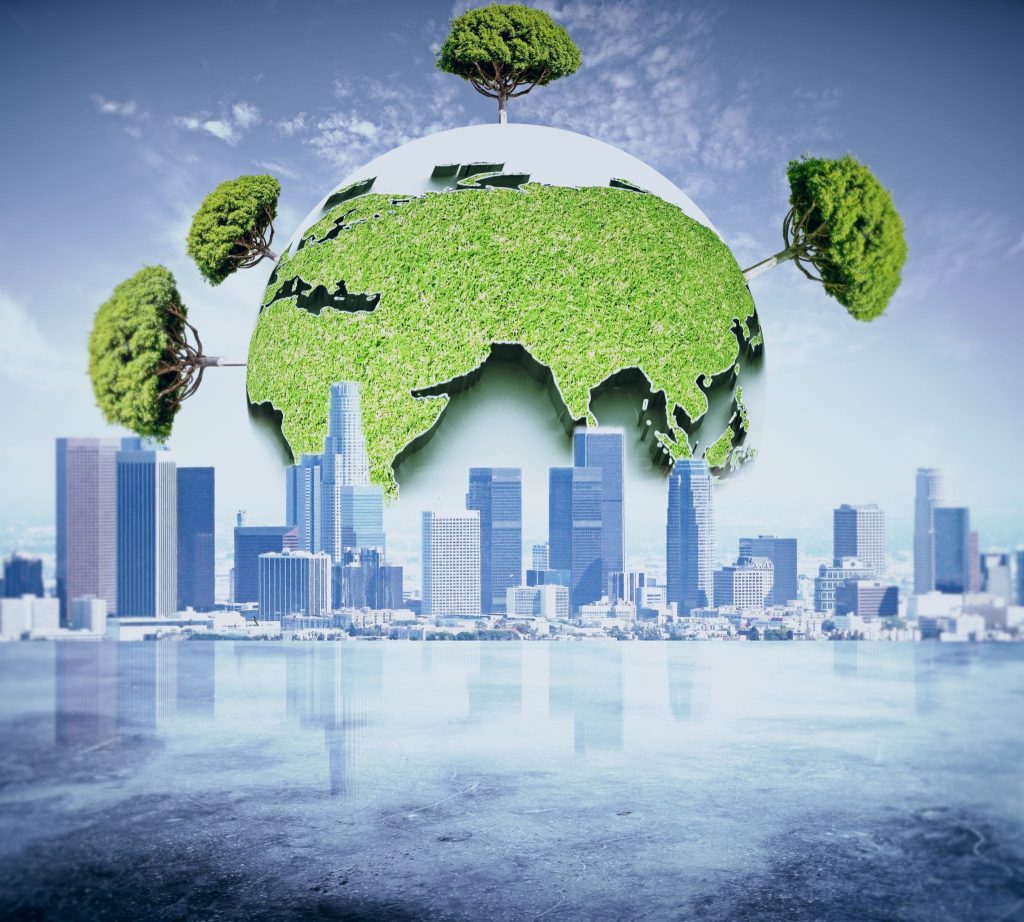
The world is facing environmental challenges at an unprecedented scale. Climate change, pollution, and resource depletion are no longer distant concerns. They are immediate realities affecting ecosystems and human lives alike. In this complex landscape, sustainable development has emerged as a powerful approach to balance progress with environmental responsibility. Sustainable development is not just a concept. It is a practical framework that guides how societies grow while protecting natural resources. It focuses on meeting present needs without compromising the ability of future generations to meet theirs. Across the globe, development projects are being redesigned with sustainability at their core. These initiatives aim to address environmental issues while supporting economic growth and social well-being. Understanding how these projects work reveals their true impact and importance.
Understanding the Core Principles of Sustainable Development
Sustainable development is built on three interconnected pillars. These include environmental protection, economic growth, and social equity. Each pillar supports the others, creating a balanced approach to progress. Environmental protection focuses on conserving natural resources and reducing harm to ecosystems. Economic growth ensures that development remains viable and beneficial. Social equity emphasizes fairness and inclusion, ensuring that all communities benefit from progress. Organizations like United Nations have played a key role in promoting these principles through global frameworks and initiatives. When these pillars work together, they create solutions that are both effective and long-lasting.
Addressing Climate Change Through Sustainable Projects
Renewable Energy Solutions
One of the most significant contributions of sustainable development is the shift toward renewable energy. Projects focusing on solar, wind, and hydroelectric power reduce reliance on fossil fuels. These energy sources produce fewer greenhouse gas emissions, helping to slow down climate change. They also provide cleaner and more sustainable alternatives for growing populations.
Carbon Reduction and Green Technologies
Sustainable projects also focus on reducing carbon footprints through innovative technologies. Energy-efficient buildings, electric transportation, and smart infrastructure play a major role.
Adoption of clean energy systems
Improved energy efficiency in industries
Development of low-emission transportation
These efforts collectively reduce environmental impact and support long-term sustainability.
Protecting Natural Resources and Biodiversity
Natural resources are the foundation of life. Sustainable development projects aim to protect these resources while ensuring their responsible use. Deforestation, overfishing, and pollution threaten biodiversity. Sustainable initiatives address these issues by promoting conservation and responsible management. Projects in regions like Amazon Rainforest focus on preserving ecosystems and supporting local communities. These efforts help maintain ecological balance and protect endangered species. By safeguarding biodiversity, sustainable development ensures the health of ecosystems for future generations.
Water Management and Conservation Strategies
Efficient Water Use in Communities
Water scarcity is a growing concern in many parts of the world. Sustainable development projects address this by promoting efficient water use and conservation. Rainwater harvesting, improved irrigation systems, and wastewater recycling are common solutions. These methods reduce waste and ensure a steady supply of clean water.
Combating Water Pollution
Pollution of water bodies poses serious health risks. Sustainable projects focus on reducing industrial waste and improving sanitation systems.
Implementation of water treatment facilities
Reduction of chemical runoff
Promotion of eco-friendly waste disposal
These measures help protect water resources and improve public health.
Sustainable Agriculture and Food Security
Agriculture plays a vital role in feeding the global population. However, traditional farming methods often harm the environment. Sustainable agriculture focuses on practices that protect soil, conserve water, and reduce chemical use. Crop rotation, organic farming, and precision agriculture are key approaches. These methods not only protect the environment but also improve food security. They ensure that future generations have access to nutritious and safe food. Sustainable development in agriculture creates a balance between productivity and environmental care.
Urban Development with Environmental Responsibility
Cities are expanding rapidly. This growth creates challenges related to pollution, waste, and resource consumption. Sustainable urban development aims to create cities that are efficient, livable, and environmentally friendly. Projects in cities like Copenhagen focus on green infrastructure, public transportation, and renewable energy. These initiatives reduce emissions and improve quality of life. Urban sustainability ensures that cities can grow without compromising environmental health.
Waste Management and Circular Economy Models
Reducing Waste Generation
Waste is a major environmental issue. Sustainable development projects aim to reduce waste at its source. Recycling, composting, and responsible consumption are key strategies. These practices minimize the amount of waste sent to landfills.
Promoting a Circular Economy
A circular economy focuses on reusing and recycling materials to extend their lifecycle. This approach reduces the need for new resources and minimizes environmental impact.
Reuse of materials in production
Recycling of industrial and household waste
Development of sustainable packaging
These practices support a more efficient and sustainable system.
Community Involvement and Education in Sustainability
Sustainable development is not just about large projects. It also involves individuals and communities. Education plays a crucial role in raising awareness about environmental issues. When people understand the importance of sustainability, they are more likely to adopt eco-friendly practices. Community involvement ensures that projects are effective and sustainable in the long term. Local participation creates a sense of ownership and responsibility. This collective effort strengthens the impact of sustainable development initiatives.
Expert Advice: Building Effective Sustainable Projects
Experts emphasize the importance of long-term planning in sustainable development. Projects should be designed with future impacts in mind, not just immediate results. Collaboration is another key factor. Governments, organizations, and communities must work together to achieve meaningful outcomes. Experts also highlight the need for innovation. New technologies and approaches can enhance the effectiveness of sustainable projects. Monitoring and evaluation are equally important. Regular assessments help identify challenges and improve performance. Finally, experts stress the importance of adaptability. Environmental conditions and societal needs change over time. Successful projects must be flexible enough to evolve.
Emotional Perspective: Why Sustainability Matters to Everyone
Environmental challenges affect everyone, regardless of location or background. Clean air, safe water, and healthy ecosystems are essential for life.mSustainable development is not just about protecting the environment. It is about protecting the future. It ensures that coming generations can enjoy the same resources and opportunities. This responsibility creates a strong emotional connection. It motivates individuals and communities to take action and support sustainable initiatives. When people come together with a shared purpose, real change becomes possible.
Conclusion
Sustainable development offers a practical and effective way to address environmental challenges. It combines innovation, responsibility, and collaboration to create lasting solutions. From renewable energy and water conservation to sustainable agriculture and urban planning, these projects are transforming the way we live and interact with the environment. While challenges remain, the progress made so far shows that change is possible. With continued effort and commitment, sustainable development can lead to a healthier and more balanced world. The choices made today will shape the future. By supporting sustainable initiatives, we contribute to a better planet for generations to come.
FAQs
What is the main goal of sustainable development?
The main goal is to balance economic growth, environmental protection, and social well-being. It aims to meet current needs without compromising the ability of future generations to meet their own needs.
How do sustainable projects help the environment?
They reduce pollution, conserve natural resources, and promote renewable energy. These efforts protect ecosystems and improve overall environmental health.
Can individuals contribute to sustainable development?
Yes, individuals can make a significant impact by adopting eco-friendly practices, reducing waste, conserving resources, and supporting sustainable initiatives in their communities.