

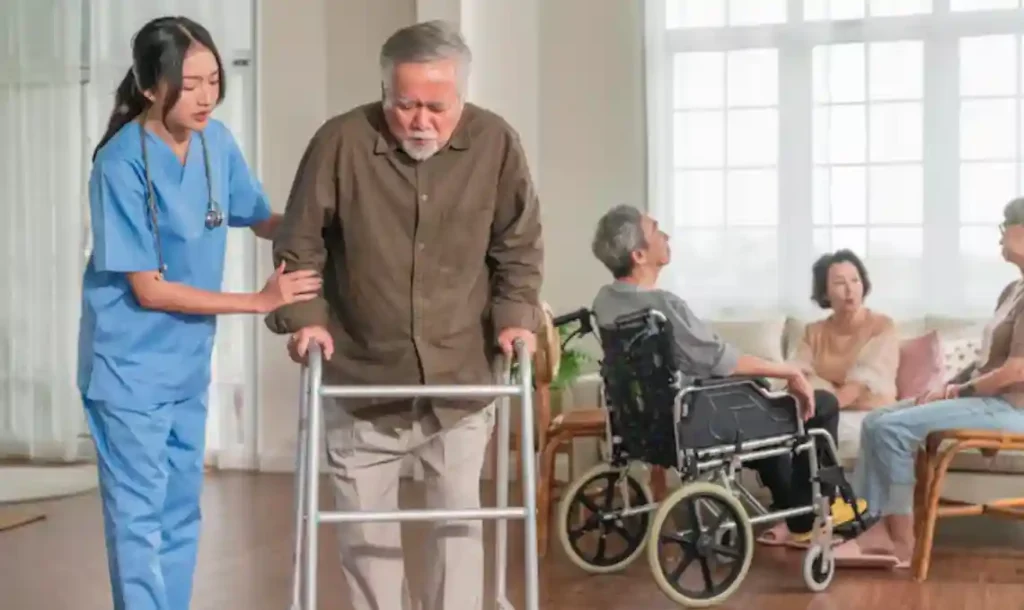
As individuals age or manage chronic health conditions, the desire to remain in the comfort and familiarity of their own residence becomes increasingly important. Transitioning to an institutional setting can be emotionally taxing and often unnecessary when the right support is available.
Professional care services offer a balanced solution, providing expert medical and personal assistance while preserving the autonomy of the individual.
By integrating professional support into daily life, families can ensure that their loved ones receive high-quality care that promotes physical health, mental well-being, and overall safety within a comfortable environment.
The Personalized Advantage of In-Home Care
The primary benefit of choosing in home care is the high level of personalization offered to the individual. Unlike facilities that operate on a rigid schedule, professional services are tailored specifically to the unique needs, routines, and preferences of the client.
Whether the requirement is help with personal hygiene, medication reminders, or simply having someone present to ensure safety, the support is focused entirely on one person at a time.
This individualized attention fosters a sense of dignity and comfort that is difficult to replicate in larger, more communal settings.
Supporting Independence Through Home Care
Professional home care is instrumental in helping seniors and those with disabilities maintain their independence for as long as possible.
By providing assistance with tasks that may have become difficult, such as cooking, cleaning, or getting dressed, these services remove the barriers that often force people to move into assisted living.
Maintaining control over one’s own space, schedule, and environment is a powerful factor in emotional health. When daily burdens are managed by a skilled professional, individuals are free to focus their energy on hobbies, social connections, and the activities that truly bring them joy.
Enhanced Safety and Fall Prevention
Home environments are often filled with hidden hazards for those with limited mobility or vision. Professional caregivers are trained to assess living spaces and identify potential risks that family members might overlook.
They can assist with safe movement throughout the house, provide stability during showers, and ensure that living areas remain free from tripping hazards.
This vigilant oversight significantly reduces the risk of accidents and injuries. Knowing that a professional is present to monitor for safety provides peace of mind to both the individual receiving care and their distant family members.
Consistent Health Monitoring and Management
For individuals managing chronic health conditions, consistent monitoring is essential to prevent complications. Professional caregivers are trained to track vital signs, observe changes in behavior or physical health, and ensure that medical instructions from doctors are followed correctly.
They play a critical role in medication management, ensuring that prescriptions are taken at the right time and in the correct dosages. This level of oversight helps catch potential health issues early, allowing for timely interventions and reducing the likelihood of emergency hospitalizations.
Mental and Emotional Well-Being
Loneliness is a significant concern for those who live alone or have limited social contact. Caregivers often provide much-needed companionship, offering a friendly face and someone to talk to throughout the day.
Engaging in conversation, playing games, or simply sharing a meal can drastically improve an individual’s mood and overall outlook.
By fostering this social connection, professional services combat the negative health effects of isolation, helping clients stay mentally sharp, emotionally resilient, and deeply connected to their surroundings.